
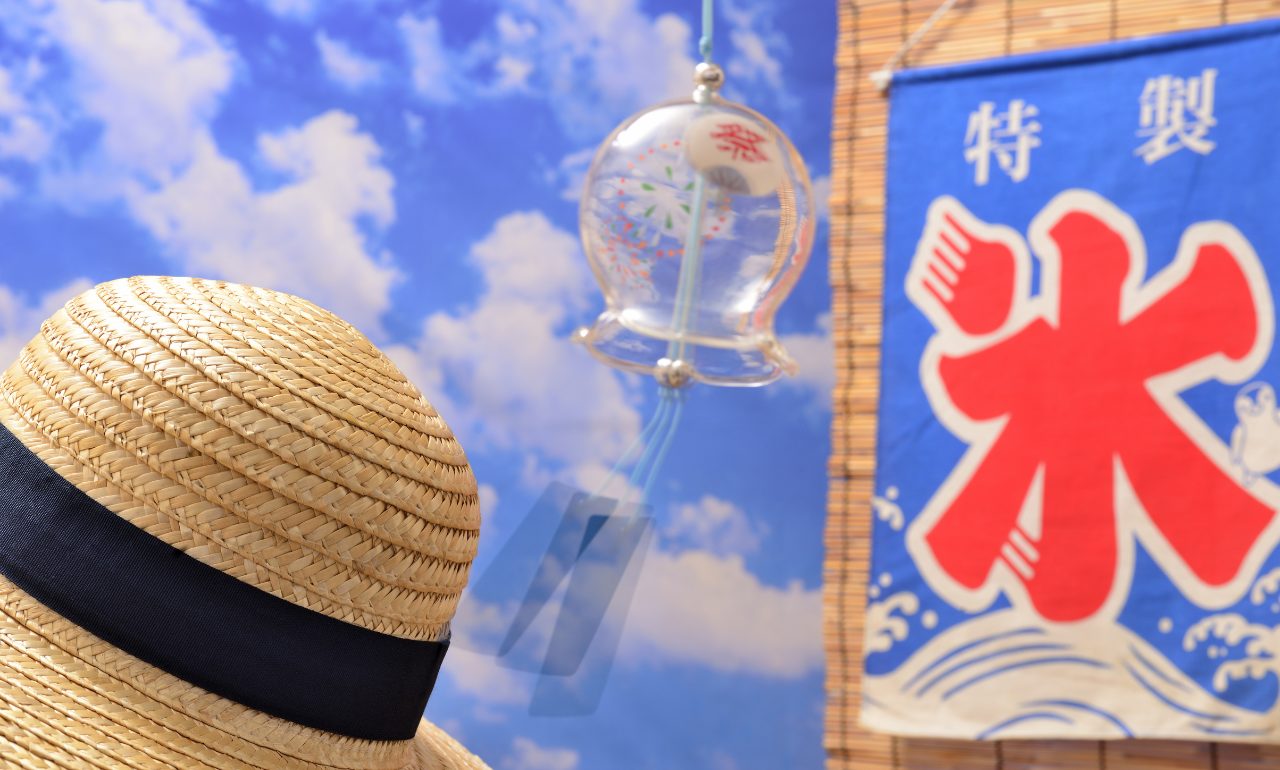
Japan’s summers are known for their high temperatures and humidity, and the harsh climate has a major impact on daily life.
If you don’t take proper measures to protect yourself from the heat, you run the risk of summer fatigue and heat stroke.
In this article, we’ll introduce various ways to comfortably spend the Japanese summer. We’ll cover a wide range of methods, from traditional ways to feel cool to modern, convenient cooling methods.
It is hot in summer all over Japan! how to stay cool here?

- Why is Humidity So High in Japan?
- Overview of Typical Summer Weather Patterns
- Dealing with the Heat: Risks and Precautions
Why is Humidity So High in Japan?
Japan experiences high humidity in the summer due to its geographical location and climatic conditions. Situated in the East Asian monsoon region, Japan is affected by the seasonal winds that bring moist air from the Pacific Ocean.
During the summer months, the southerly winds from the Pacific carry warm and humid air over the archipelago. Additionally, Japan’s mountainous terrain contributes to this effect by trapping moisture-laden air masses.
The combination of these factors results in persistently high humidity levels, making the summer feel much hotter and stickier.
Overview of Typical Summer Weather Patterns
The summer season in Japan typically runs from June to September. During this period, temperatures can range from 25°C (77°F) to 35°C (95°F) or higher. The season begins with the 梅雨 (tsuyu) or rainy season, lasting from early June to mid-July, characterized by frequent and heavy rain showers.
After the rainy season, the weather becomes hotter and more humid, with August being the peak of summer heat. Heatwaves are common, and typhoons may also occur, bringing heavy rain and strong winds.
These weather patterns create a challenging environment for both locals and visitors, necessitating effective strategies to cope with the heat and humidity.
Dealing with the Heat: Risks and Precautions
What is the Risk When It’s Hot in Japan?The hot and humid summer in Japan can pose several health risks, particularly heatstroke and dehydration. Understanding these risks and taking preventive measures is essential to stay safe.
Heatstroke: This is a severe condition caused by prolonged exposure to high temperatures or strenuous physical activity in hot weather. It occurs when the body fails to regulate its temperature, resulting in an inability to cool down. Symptoms of heatstroke include high body temperature (40°C or higher), altered mental state or behavior, nausea, vomiting, flushed skin, rapid breathing, and a racing heart rate. Heatstroke requires immediate medical attention as it can be life-threatening.
Dehydration: This occurs when the body loses more fluids than it takes in, leading to an imbalance of electrolytes. Symptoms of dehydration include excessive thirst, dry mouth, dark-colored urine, dizziness, fatigue, and confusion. Severe dehydration can lead to heat exhaustion and heatstroke.
Use Sun Protection: Apply sunscreen with high SPF, wear a wide-brimmed hat, and use UV-protective sunglasses to protect yourself from the harsh sun.
No Air Conditioning at home! How can you stay cool?

- Cafes and Fast-Food Restaurants
- Convenience Stores (Konbini)
- 24 hour Family Restaurants
- Swimming Pools
Cafes and Fast-Food Restaurants
Starbucks, McDonald’s, and other fast-food chains are widespread and air-conditioned. These venues often have comfortable seating and free Wi-Fi, making them ideal spots to relax and escape the heat.
Convenience Stores (Konbini)
Chains like FamilyMart, Lawson, and 7-Eleven are ubiquitous in Tokyo. These stores are air-conditioned and provide a time to cool off while grabbing a refreshing drink or snack. Many are open 24 hours, offering a respite from the heat any time of day.
24 hour Family Restaurants
By using these 24-hour family restaurants, you can effectively manage the summer heat, enjoy good food, and take advantage of the amenities they offer, all while keeping your costs reasonable.
- Family Restaurant Near Me?
- Gusto (ガスト): Known for its extensive menu and comfortable seating.
Jonathan’s (ジョナサン): Offers a variety of dishes and a relaxed atmosphere.
Saizeriya (サイゼリヤ): An Italian-themed family restaurant with very affordable prices.
Denny’s: Offers both Japanese and Western dishes with a comfortable environment.
Local Swimming Pools
Public swimming pools are an excellent and affordable way to stay cool during the summer. They are family-friendly, allowing everyone to enjoy a refreshing swim without spending much.
These pools offer clean facilities, including changing rooms and showers, and have areas suitable for all ages and swimming levels. Conveniently located in neighborhoods, public pools are easy to access, making them a practical choice.
How Do Japanese People Stay Cool in Summer?
- Unique Japanese Cooling Methods: Traditional Ways
- Unique Japanese Cooling Methods: Modern Ways
Surviving the summer in Japan requires a combination of strategic planning and adopting local practices. Here are some key tips
Unique Japanese Cooling Methods: Traditional Ways
- Wind Chimes (風鈴)
- Traditional Japanese Fans (うちわ) and Folding Fans(扇子)
- Yukata (浴衣)
Japan has developed various unique and effective methods to cope with the summer heat. These traditional and modern techniques help locals stay cool and comfortable.
Wind Chimes (風鈴)

Wind chimes, known as 風鈴 (furin), are a popular summer decoration in Japan. Made from glass, metal, or ceramic, these chimes are hung near windows or doors. When the wind blows, they produce a soothing, tinkling sound that creates a psychological sense of coolness, helping people feel more relaxed despite the heat.
Traditional Japanese Fans (うちわ) and Folding Fans(扇子)
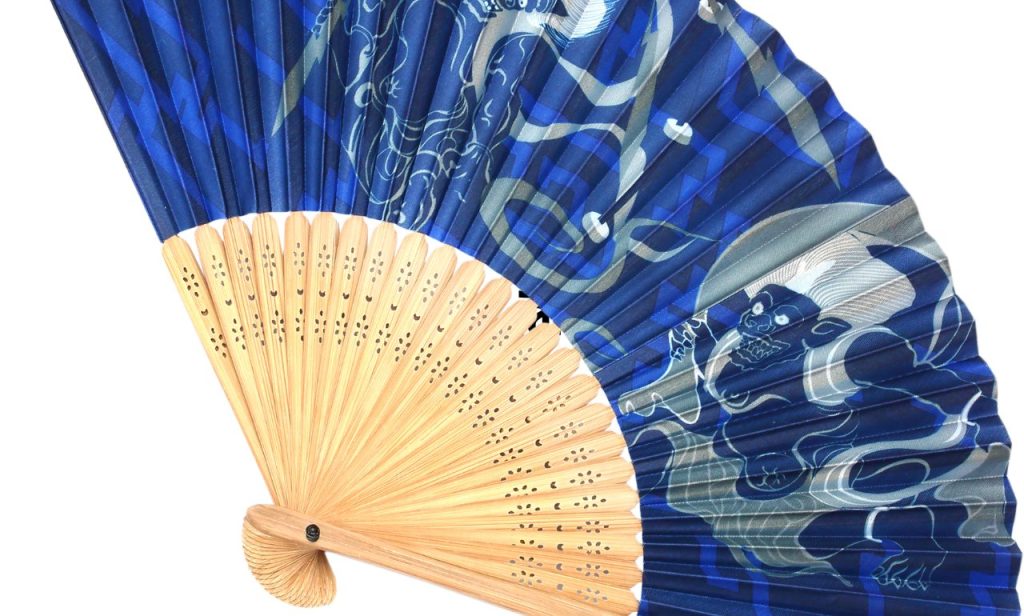
Uchiwa are flat, rigid fans made of paper or fabric stretched over a frame, while sensu are folding fans that can be conveniently carried in a bag or pocket. These fans are not only practical tools for creating a breeze but also serve as cultural symbols, often adorned with beautiful designs and used in festivals and traditional performances.
Yukata (浴衣)
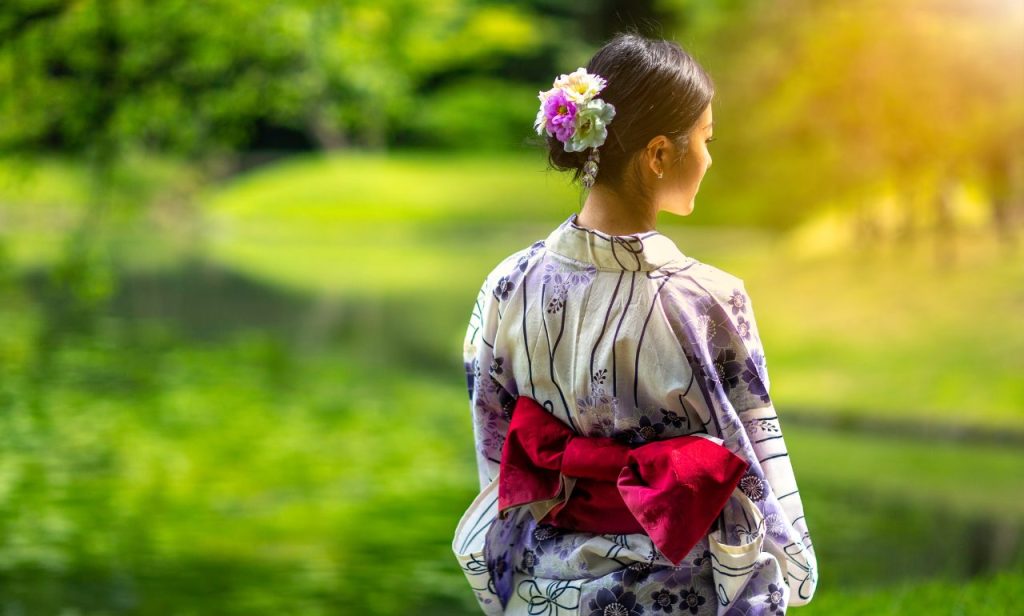
Yukata are lightweight, casual versions of the kimono, typically made of cotton. They are commonly worn during summer festivals and events. Yukata are designed to be breathable and comfortable, making them an excellent choice for staying cool while enjoying traditional Japanese summer activities.
Unique Japanese Cooling Methods: Modern Ways
- Portable Fans
- Cooling Sprays and Gels
- Neck Coolers
- Air-Conditioning Vests
- Cooling Gel Pads
Portable Fans

Small Battery-operated fans are convenient for personal use. They come in various sizes and styles, including handheld and wearable models that hang around the neck.
Cooling Sprays and Gels

Cooling sprays and gels are widely available in Japanese stores. These products contain ingredients like menthol, which provide an immediate cooling sensation when applied to the skin. They are handy for quick relief from the heat and can be easily carried around for use throughout the day.
Neck Coolers
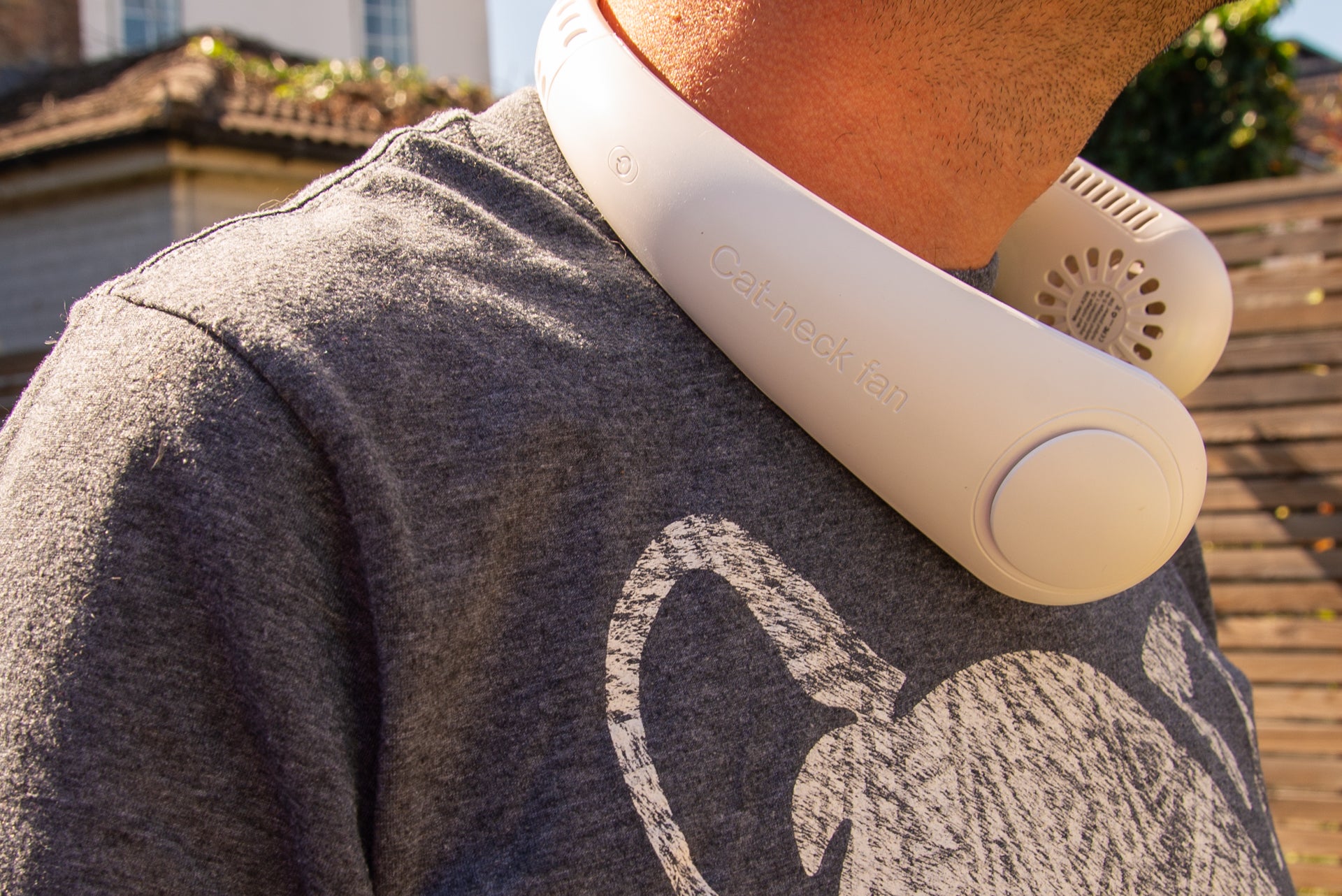
These innovative products are designed to cool the body by lowering the temperature of the blood passing through the carotid arteries in the neck. Neck coolers are easy to use, often coming in gel or ice pack forms that can be worn around the neck for effective temperature reduction.
Air-Conditioning Vests

These vests are equipped with small fans that circulate air around the body, helping to reduce body temperature. The fans are typically powered by rechargeable batteries, making the vests convenient for outdoor activities and work in hot environments.
Cooling Gel Pads

Gel pads can be placed on beds or pillows to provide a cooling effect while sleeping. They are reusable and can be refrigerated for enhanced cooling.
What Do Japanese People Eat and Drink to Stay Cool in Summer?
- Cold Noodles Variants(蕎麦、冷麺、冷やし中華、冷やしラーメン、そうめん)
- Kakigori (かき氷)
- Mugicha (麦茶)
Japanese cuisine offers a variety of refreshing and cooling foods and drinks specifically enjoyed during the hot summer months.
Cold Noodles Variants(蕎麦、冷麺、冷やし中華、冷やしラーメン、そうめん)

By embracing these unique Japanese cooling methods and products, you can effectively manage the summer heat and enjoy the season with greater comfort.
Dishes like somen (thin wheat noodles) and zaru soba (chilled buckwheat noodles) are served cold with a dipping sauce, providing a light and refreshing meal.
: Beyond the classic cold soba, there are other popular cold noodle dishes like 冷麺 (reimen) and 冷やしラーメン (hiyashi ramen). Reimen typically consists of chewy noodles served in a cold, tangy broth, often topped with slices of meat, cucumber, and a boiled egg. Hiyashi ramen is another refreshing option, featuring cold ramen noodles served with a variety of toppings such as ham, egg, cucumber, and tomatoes, dressed with a soy-based or sesame sauce.
Kakigori (かき氷)
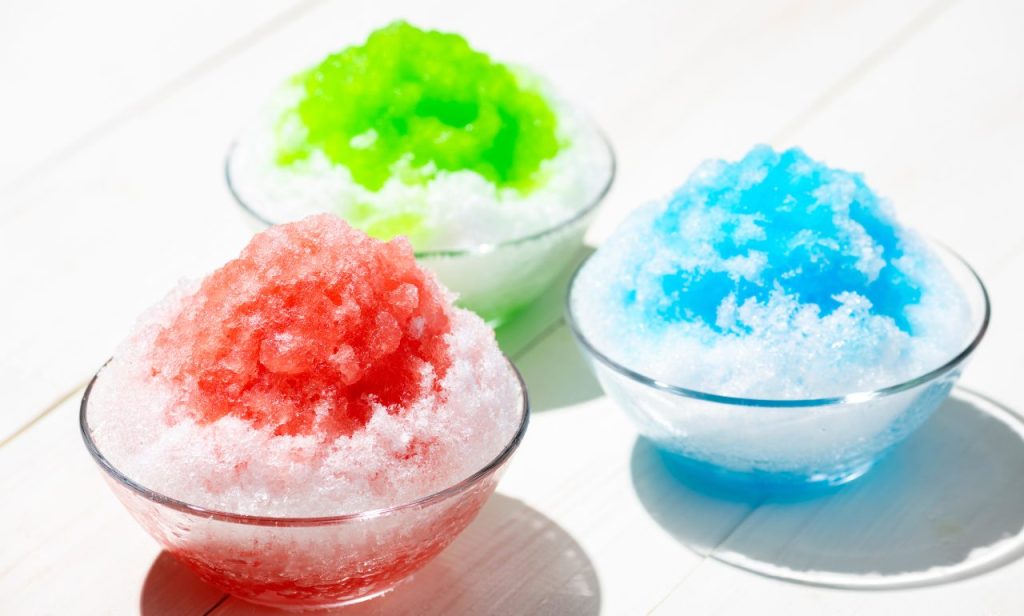
This popular summer treat consists of finely shaved ice topped with flavored syrups, sweetened condensed milk, or fruit. Kakigori is both hydrating and cooling, making it a favorite among both locals and tourists.
Mugicha (麦茶)

Mugicha is a caffeine-free tea made from roasted barley, served cold during summer. It has a mild, nutty flavor and is highly refreshing and hydrating.
Iced Coffee (アイスコーヒー)

Japanese iced coffee is a perfect way to stay cool and refreshed during the hot summer months. This delicious beverage has a long history in Japan and is a staple in most coffee shops, including popular chains like Starbucks.
Unlike some other iced coffee variations, Japanese iced coffee is known for its pure, unadulterated flavor, as it typically does not contain any added syrup.
Whether you’re a coffee aficionado or just looking for a cool drink, Japanese iced coffee is a delightful and refreshing choice to beat the summer heat.
Draft Beer (生ビール)

For a refreshing way to beat the summer heat, nothing beats a cold draft beer(Nama Beer). Japan offers a variety of excellent draft beers that can be enjoyed at numerous bars and restaurants.
Additionally, during the summer months, many cities host beer gardens, which are open-air venues where you can enjoy your beer in a lively and relaxed atmosphere. These beer gardens often feature a wide selection of beers, delicious food, and sometimes live entertainment, making them a perfect spot to unwind and enjoy the warm summer evenings.
Summer Essentials, To stay cool in Japan
- Understanding High Humidity: Japan’s high summer humidity is due to its geographical location, with East Asian monsoon and Pacific winds bringing warm, moist air.
- Typical Weather Patterns: Japanese summers from June to September feature temperatures between 25°C (77°F) and 35°C (95°F), starting with the rainy season (tsuyu) followed by hot and humid weather, heatwaves, and typhoons.
- Health Risks: The hot and humid summer poses health risks like heatstroke, characterized by high body temperature and nausea, and dehydration, marked by excessive thirst and dizziness.
- Sun Protection: To protect against the sun, use high SPF sunscreen, wear wide-brimmed hats, and UV-protective sunglasses.
- Cooling Without Air Conditioning: Escape the heat by visiting air-conditioned cafes, fast-food restaurants, and convenience stores like FamilyMart, Lawson, and 7-Eleven.
- 24-Hour Family Restaurants: Utilize 24-hour family restaurants such as Gusto, Jonathan’s, Saizeriya, and Denny’s to stay cool and enjoy amenities at any time.
- Public Swimming Pools: Public swimming pools offer an affordable, family-friendly way to cool off, with clean facilities and easy access.
- Traditional Cooling Methods: Traditional Japanese methods include using wind chimes (風鈴), traditional fans (うちわ and 扇子), and wearing breathable yukata (浴衣).
- Modern Cooling Methods: Modern cooling techniques involve portable fans, cooling sprays and gels, neck coolers, air-conditioning vests, and cooling gel pads.
- Refreshing Foods and Drinks: Stay cool with cold noodle dishes like somen and hiyashi ramen, summer treats like kakigori (shaved ice), and refreshing beverages such as mugicha (barley tea) and Japanese iced coffee.