
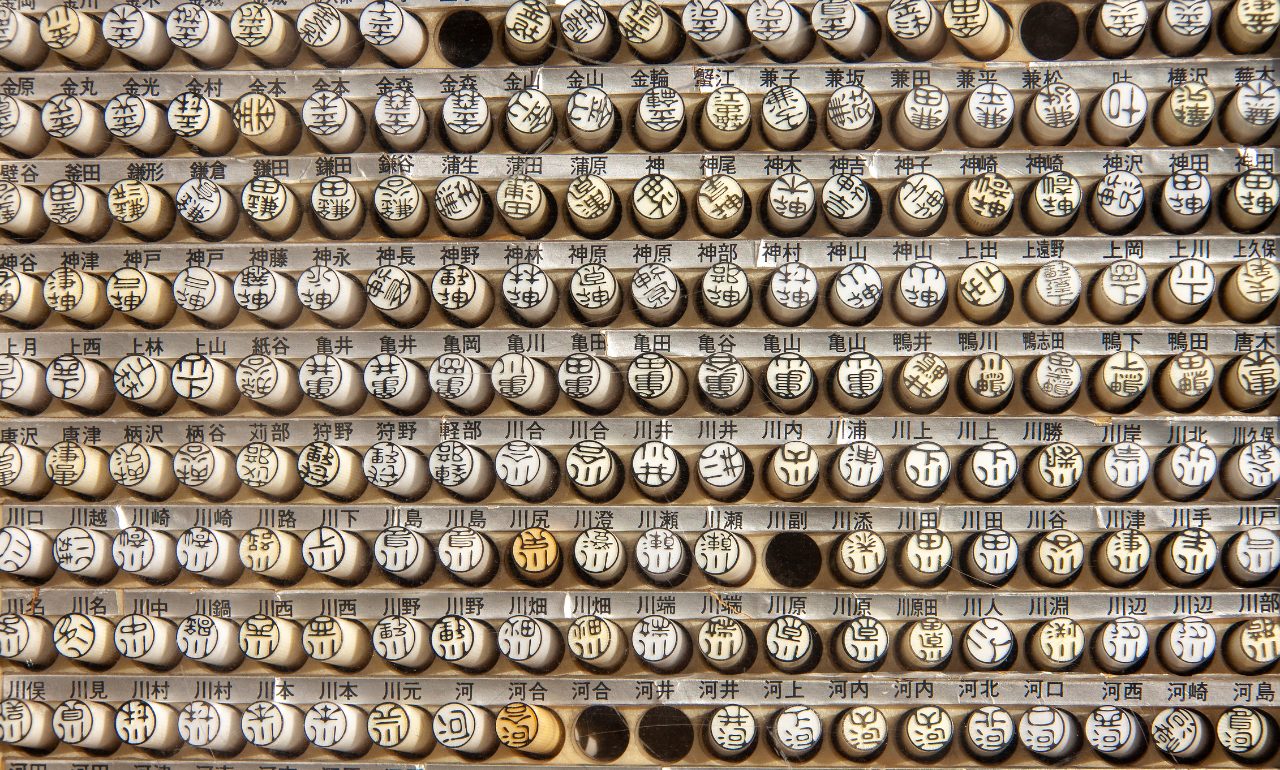
In Japan, the use of a hanko, or personal seal, is an essential part of daily life and business transactions. Unlike in many Western countries where signatures are commonly used, Japan relies on these seals to authenticate documents, contracts, and other important papers.
In this article, Better Call Seigo will answer those questions and explain about the process of the hanko registration!
- How do foreigners get hanko?
- How to get hanko certificate in Japan?
- How do you stamp hanko?
- How to make your own Hanko
How can you make it easy to make and have inkan shomeisho with your own hanko in Japan?

What is Hanko?
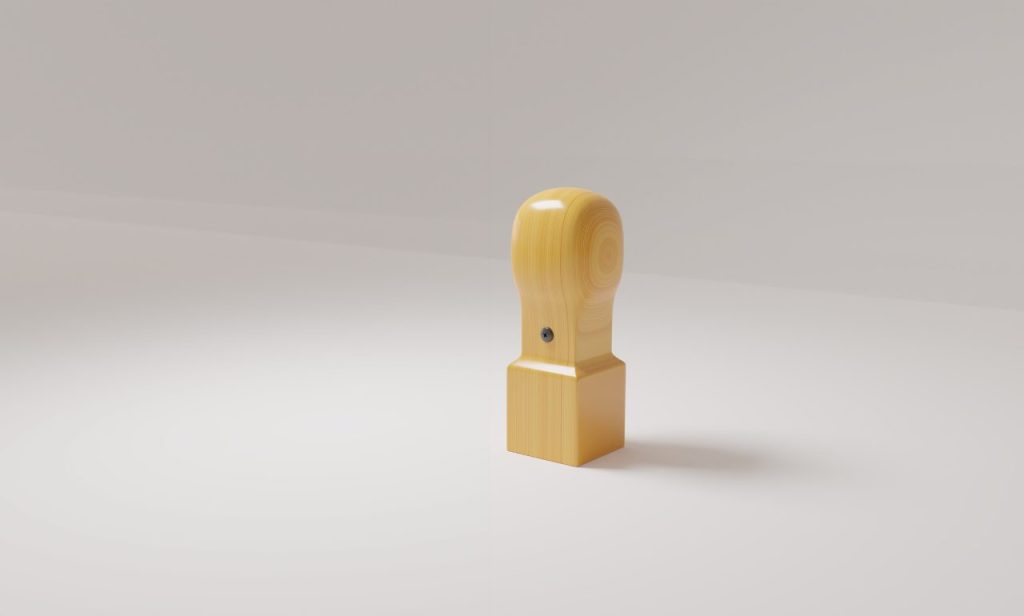
A hanko can be made of wood, stone, or other materials, and it typically features the owner’s name in kanji, katakana, or even roman letters. There are different types of hanko, each serving a specific purpose:
- Mitome-in(認印): A personal seal used for everyday purposes such as receiving packages.
- Ginko-in(銀行印): A bank seal used specifically for banking transactions.
- Jitsu-in(実印): A certified seal used for significant contracts and legal documents.
The use of hanko is deeply rooted in Japanese culture and signifies trust and authenticity. For foreigners living in Japan, understanding the importance of hanko and knowing how to use them can greatly facilitate daily life and help in adapting to the local customs.
For those who want to register your own Hanko, the Jitsu-in type of hanko must be registered at a local government office.
For foreigners residing in Japan, obtaining and registering a hanko can be essential for several reasons:
- Legal Documents: For significant legal documents, such as those related to real estate, wills, or business transactions, a registered hanko is often necessary to ensure the document’s validity.
- Opening a Bank Account: Most Japanese banks require a hanko for opening an account. Having a registered hanko (jitsu-in) ensures that your banking transactions are secure and recognized legally.
- Signing Rental Contracts: When renting an apartment or house, landlords often require a hanko to finalize the lease agreement. A registered hanko adds a level of formality and trust to the contract.
- Government Procedures: Various administrative tasks, such as registering for health insurance, enrolling in local services, or applying for certain permits, may require the use of a hanko.
While it may seem like an additional step, having a registered hanko simplifies many processes and aligns you with the local practices. It also helps in establishing credibility and trustworthiness in both personal and professional settings.
In this guide, we will walk you through the step-by-step process of obtaining an Inkan Shomeisho, a certificate of your registered hanko. This certificate is essential for many official transactions and legal documents. Follow these steps to ensure you have your hanko properly registered and certified.
Getting Inkan Shomeisho with My Hanko in Japan

Registering your hanko in Japan is a straightforward process, but it requires careful attention to detail and preparation. Follow these steps to ensure your hanko is properly registered at your local government office:
Preparing the Necessary Documents
Before heading to the local government office, make sure you have all the required documents:
- Residence Card (在留カード, Zairyu Card): This card proves your residency status in Japan.
- Passport: For additional identification.
- Hanko: The personal seal you wish to register. Ensure it meets the size and design requirements for registration.
Visiting the Local Ward or City Office
Go to the local ward or city office (区役所, kuyakusho or 市役所, shiyakusho) where your residence is registered. Each ward or city office has a specific counter for hanko registration.
Filling Out the Registration Form
At the office, you will need to fill out a registration form for your hanko. The form will ask for basic personal information such as your name, address, and the type of hanko you are registering. Be sure to fill out the form accurately and legibly.
Submitting the Hanko for Registration
Submit the completed registration form along with your hanko, residence card, and passport to the clerk at the counter. The clerk will inspect the hanko to ensure it meets the necessary criteria for registration.
Receiving the Certification of Registration (Inkan Toroku Shomeisho)
Once your hanko is approved, the clerk will register it and issue a certification of registration, known as the Inkan Shomeisho (印鑑登録証明書). This certificate verifies that your hanko is officially registered with the local government. It is a crucial document for many official and legal transactions in Japan.
- Tips for a smooth process for register the hanko in Japan
- Check Office Hours: Local government offices typically have specific hours for hanko registration. Make sure to check the office hours in advance to avoid any inconvenience.
Language Assistance: If you are not confident in your Japanese language skills, consider bringing a friend or using a translation app to help with communication.
Hanko Quality: Ensure your hanko is made of durable material and clearly engraved. Poor quality hankos might not be accepted for registration.
We understand that navigating the hanko registration process can be challenging, especially for foreigners. It can be surprising how few staff at the ward offices speak English, and almost all the forms are in Japanese, filled with complex kanji.
Better Call Seigo can support you the smooth process of making the Certification of Registration.
Making Hanko for Get Inkan Shomeisho in Japan
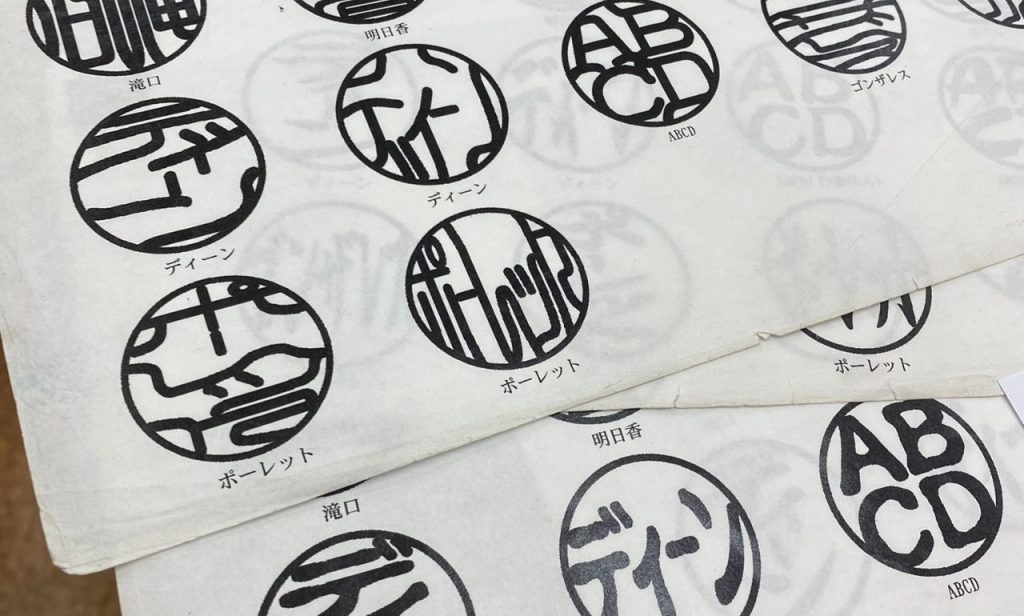
Obtaining a hanko as a foreigner in Japan is a relatively simple process, but it involves several important steps to ensure that the seal meets all necessary requirements for registration. Here’s an overview of the process:
Deciding on the Design and Characters
The first step in getting a hanko is deciding on its design and the characters you want to use. Here are some options:
- Kanji (漢字): Traditional Chinese characters used in Japanese writing. If you have a kanji version of your name or a meaningful kanji phrase, you can use that.
- Katakana (カタカナ): A syllabary used for foreign names and words. This is a common choice for foreigners whose names do not have a kanji equivalent.
- Alphabet (アルファベット): Some foreigners prefer to use the Alphabet for their Hanko, which is also acceptable.
The design of your hanko can be quite flexible, allowing you to choose a style that reflects your personal taste. Many people create unique designs that serve as both practical tools and memorable keepsakes.
Visiting a Hanko Shop or Ordering Online
Once you’ve decided on the design and characters, you have two main options for obtaining your hanko:
- Visiting a Hanko Shop: There are many specialized hanko shops throughout Japan where you can consult with experts who will help you design and create your seal. These shops offer a variety of materials and styles to choose from.
- Ordering Online: Several online services allow you to design and order your hanko from the comfort of your home. This option is convenient and often provides detailed customization options.
Whether you choose to visit a shop or order online, make sure to specify that you need the hanko to meet registration requirements for an inkan shomeisho (印鑑証明書).
- Ensuring the Hanko Meets Registration Requirements
- Size and Material: The hanko should be made of durable material and be of a suitable size for official use.
Clear Engraving: The characters must be clearly and accurately engraved to avoid any issues during registration.
Uniqueness: The design should be unique enough to distinguish it from other hankos, especially if you are registering it for an inkan shomeisho.
How do you stamp your Hanko?

Have you used Hanko?
Using your hanko on important contracts is the same as you sign an important document, it can be a very satisfying moment, but it can also be nerve-wracking. Taking your time to ensure a clean and clear impression can help ease the stress and make the process smoother.
Necessary Items
- Hanko: Your personal or registered seal.
- Ink Pad (朱肉, Shuniku): A red ink pad specifically designed for hanko.
Tips for Using a Hanko
- Even Ink Application: Lightly press the hanko onto the ink pad to ensure even coverage. Avoid pressing too hard to prevent excess ink.
- Steady Hand: Hold the document steady with one hand and position the hanko with the other. This helps prevent smudging.
- Firm, Even Pressure: Press the hanko firmly and evenly onto the document. Apply consistent pressure across the entire surface of the seal.
Important Points to Note
- Practice First: Before using the hanko on an important document, practice on scrap paper to get comfortable with the technique.
- Check the Impression: After stamping, check the impression to ensure it’s clear and legible. If it’s smudged or incomplete, you may need to re-ink the hanko and try again.
- Clean the Hanko: Wipe off any excess ink from the hanko with a clean cloth or tissue after use. This maintains the quality of the seal and prevents ink from drying and clogging the engraving.
After Stamping
- Verify the Impression: Double-check that the hanko impression is clear and correctly placed on the document. A clear impression is crucial for the document to be considered valid.
- Secure the Document: Store the stamped document in a safe place. Important documents often need to be presented with a clear hanko impression to be legally binding.
- Store Your Hanko Properly: Keep your hanko in its case when not in use to protect it from damage and dust.
By following these guidelines, you can confidently use your hanko for various official and personal documents in Japan.
How can I avoid troubles and pain with Inkanshomeisho?
What to Do If Your Hanko Is Rejected
If your hanko is rejected during the registration process, it’s usually due to one of the following reasons:
- Illegible Engraving: The characters on the hanko must be clear and legible. If they are not, the hanko might be rejected. In this case, you may need to have the hanko re-engraved to improve clarity.
- Incorrect Size or Material: Hanko that are too small, too large, or made of unsuitable materials might not be accepted. Ensure your hanko meets the standard size and material guidelines.
- Similarity to Other Hanko: If your hanko is too similar to an already registered one, it might be rejected. Creating a unique design can help avoid this issue.
To fix these issues, consult with the hanko shop or service that created your seal. They can often adjust or remake the hanko to meet the requirements.
Lost or Stolen Hanko Procedures
If your registered hanko is lost or stolen, it’s important to act quickly to prevent unauthorized use:
- Create a New Hanko: Design and obtain a new hanko that you wish to register.
- Visit the Local Government Office: Go to the ward or city office where your original hanko is registered.
- Submit the Change Request: Fill out the necessary forms to deregister the old hanko and register the new one. Bring your residence card, passport, and the new hanko.
- Receive the New Certification: Once the new hanko is registered, you will receive an updated certification (inkan toroku shomeisho) for the new seal.
How to make and get Inkanshomeisho with own Hanko in Japan?
- Introduction to Hanko: Explanation of what a hanko is and its importance in Japan.
- Need for Registration: Reasons why foreigners may need a registered hanko.
- Bank Accounts, Rental Contracts, Government Procedures,Vehicle Registration andLegal Documents
- Steps to Register a Hanko: Detailed steps for registering a hanko.
- Obtaining a Hanko: Visiting a hanko shop or ordering online.
- Lost or Stolen Hanko and Changing Registered Hanko: Process for updating the registration with a new hanko.
How Better Call Seigo Can Help!! We offers support for handling these common issues related to your hanko
Ask Better Call Seigo Service Here >>>